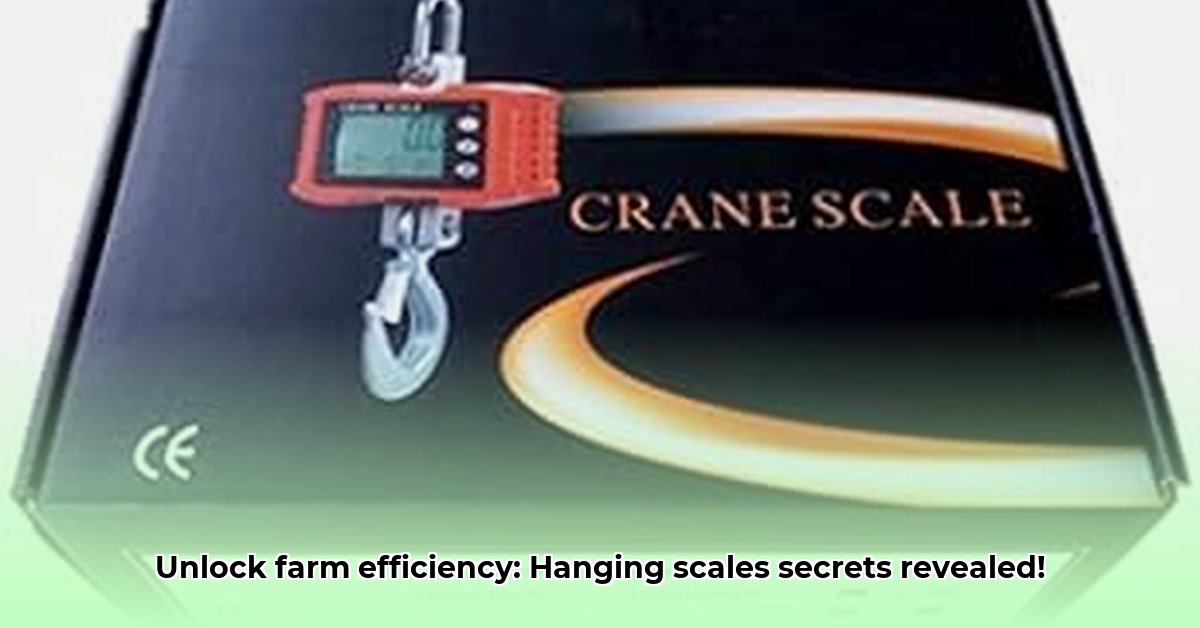
Hanging Scales: A Practical Guide to Precision Livestock Management
Smart farming practices are crucial for both profitability and environmental responsibility. One readily accessible tool for improving your livestock operation's sustainability is the hanging scale, easily purchased from Tractor Supply. This guide details how to effectively utilize hanging scales to optimize feed rations, improve animal welfare, and reduce your farm's environmental footprint. We'll provide actionable steps and explore the broader benefits of precision livestock management. For composting manure, consider this helpful resource: composting solutions.
Accurate Weighing: The Foundation of Efficient Feed Management
Precisely tracking individual animal weight gain is paramount for efficient feed management. Guesswork leads to overfeeding (costly and environmentally damaging) or underfeeding (compromising animal health and productivity). Regular weighing using a hanging scale allows for data-driven feed ration adjustments. This precision significantly reduces feed waste – a major expense and environmental concern in livestock farming.
Optimizing Feed Rations: A Step-by-Step Approach
Implementing hanging scales requires a systematic approach:
Step 1: Selecting and Setting Up Your Scale: Choose a hanging scale from Tractor Supply appropriate for your livestock's size and weight capacity. 1 Carefully read the manufacturer's instructions for proper setup and calibration. Ensure safe and easy access for weighing.
Step 2: Establishing a Weighing Schedule: Weigh each animal individually at regular intervals (e.g., weekly). Consistent weighing provides valuable data for monitoring growth trends. Note the date, animal ID, weight, and any relevant observations (health issues, behavior changes).
Step 3: Data Recording and Analysis: Maintain accurate records of each animal's weight and feed intake. Use spreadsheets or dedicated farm management software to track data effectively. Analyze weight gain patterns to identify animals requiring adjustments to their feed rations.
Step 4: Adjusting Feed Rations Based on Data: Based on your data analysis, adjust individual feed rations. Small, gradual adjustments are recommended to prevent stressing the animals. Continuously monitor weight and adjust feed as needed.
Step 5: Ongoing Monitoring and Refinement: Regularly review your data to assess the effectiveness of your feeding strategies. Identify trends and areas for improvement. Refine your approach over time based on your observations. Adaptability is key to maximizing efficiency.
Expanding the Benefits: Improved Animal Welfare and Environmental Sustainability
The advantages of using hanging scales extend beyond cost savings. They directly contribute to improved animal welfare and reduced environmental impact:
Enhanced Animal Health: Providing precise nutrition leads to healthier animals, better growth rates, and reduced susceptibility to disease. Isn't that a worthwhile goal?
Minimized Environmental Footprint: Reduced feed waste directly translates to less feed production, resulting in lower resource consumption and decreased greenhouse gas emissions.
Increased Farm Profitability: Optimized feeding leads to cost savings and higher animal productivity, improving your farm's overall profitability. How much money could you potentially save by reducing feed waste?
Data-Driven Decision Making: By making informed decisions based on collected data, you'll improve farm management effectiveness and reduce risk. Data-driven decision-making is the future of sustainable agriculture.
Choosing the Right Hanging Scale: Factors to Consider
Tractor Supply offers a diverse range of hanging scales. Selecting the appropriate scale depends on your farm's specific needs:
Weight Capacity: Ensure the scale's capacity comfortably accommodates your largest animal.
Accuracy: High accuracy is crucial for precise data. Look for scales with clear graduations for refined measurements.
Durability: Choose a robust scale constructed from materials capable of withstanding the rigors of daily farm use. A durable scale is an investment that pays off over time.
Ease of Use: Select a scale with clear instructions and intuitive controls for efficient and straightforward operation.
Conclusion: Investing in a Sustainable Future
Investing in a hanging scale from Tractor Supply represents a proactive step toward building a more sustainable and efficient livestock operation. The data-driven approach offers immediate cost benefits while promoting animal welfare and environmental responsibility. While further research into optimized feeding strategies is ongoing, the benefits of accurate and consistent weight monitoring are unequivocally beneficial for your long-term success.